


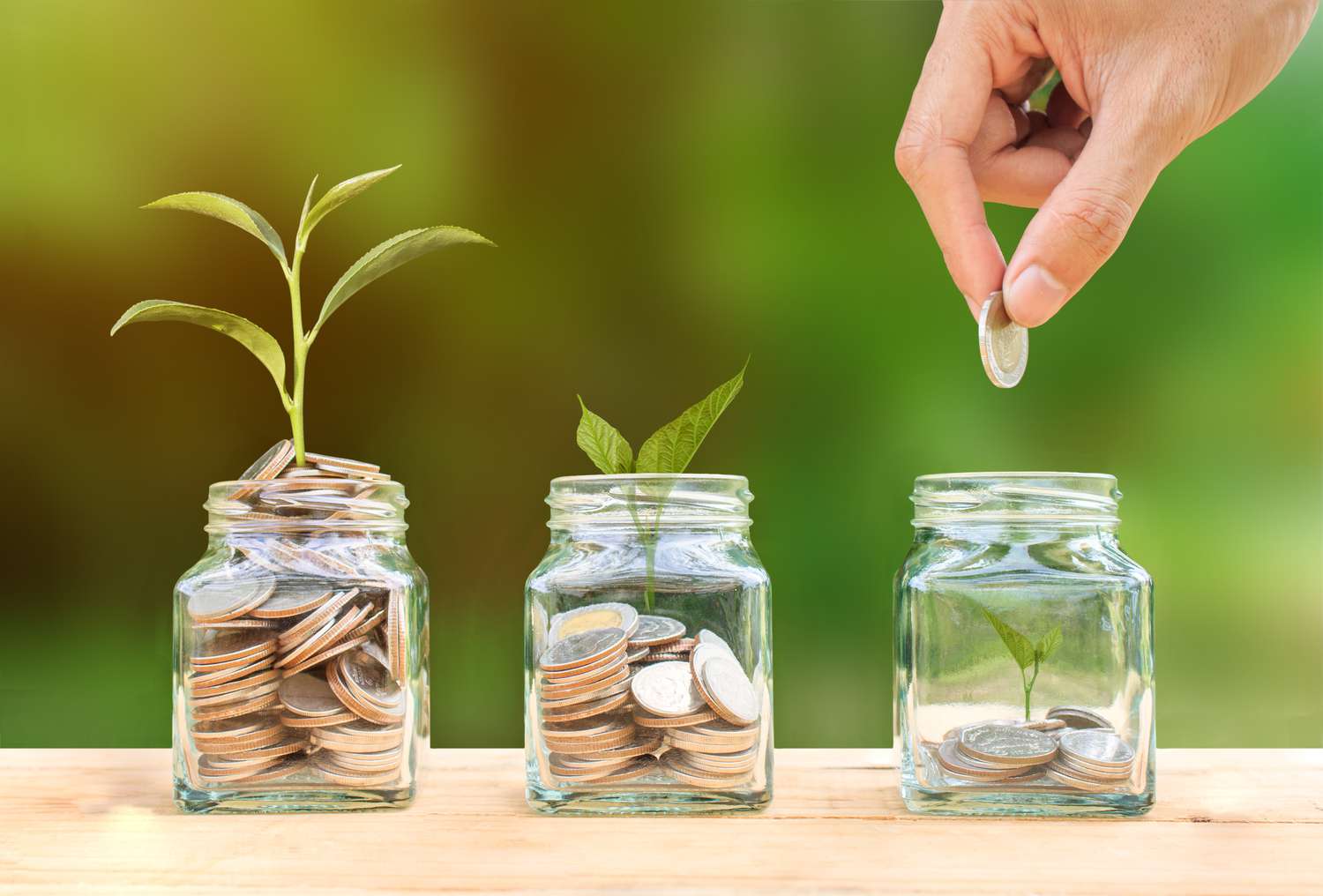
Are rising utility bills troubling you? You’re not alone. Many households are feeling the pinch of high energy and water expenses. Fortunately, there are numerous ways to cut down on these costs.
By implementing a few practical strategies, you can not only save money but also contribute positively to the environment. Let’s explore some of the most effective methods to reduce energy and water consumption in your home.
Smart energy-saving methods for your home
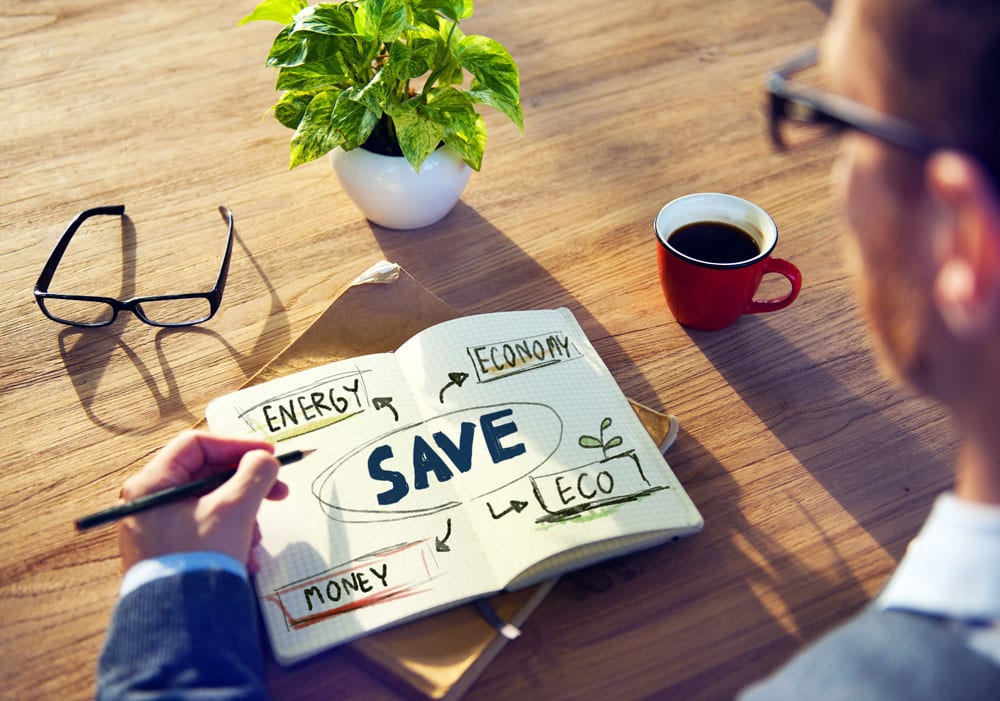
One of the prime strategies to reduce household expenses on energy is to evaluate and improve the efficiency of the appliances you use every day. Energy-efficient appliances and the latest technology innovations can significantly decrease electricity usage, keeping monthly bills lower.
Investing in energy-efficient appliances, such as refrigerators, washing machines, and air conditioners, may have a higher upfront cost but can lead to substantial cost savings in the long term due to their efficient energy consumption. Additionally, familiarizing yourself with energy star ratings can guide you in choosing products that offer the best performance while using the least amount of power.
Insulation is another crucial factor in minimizing energy expenditure. Homes with proper insulation maintain desired indoor temperatures more effectively, reducing the need for constant heating or cooling. Start by sealing drafts around doors, windows, and any other potential leak points. Consider adding extra layers of insulation to your attic and walls.
Harnessing renewable energy
Installing solar panels is a brilliant way to cut down on electricity bills. Though the initial investment is significant, the long-term savings are worth the cost. Solar panels convert sunlight into electricity, thus reducing reliance on the grid and benefiting from lower energy bills.
Another aspect of harnessing renewable energy is exploring community solar projects. These community initiatives provide shared solar energy options for residents who might not have ideal conditions for panels on their roofs. By participating in a community solar program, households can support clean energy without the need for personal installations.
Efficient lighting solutions
Switching to energy-efficient lighting is a straightforward way to lower electricity bills. LED bulbs, for instance, use significantly less energy than traditional incandescent bulbs and last much longer, translating to both energy and cost savings. While their price may be higher, the investment is quickly offset by energy savings and reduced bulb replacement frequency.
Additionally, consider incorporating smart lighting controls. Installing dimmers, timers, and motion sensors can reduce unnecessary energy usage by ensuring lights are only in use when needed. Smart lighting can enhance convenience and security, allowing you to control your home lighting remotely.
Sustainable practices to manage water usage
Addressing water efficiency is another critical avenue through which homeowners can reduce utility expenses. Being mindful of water usage in daily activities can lead to significant savings over time. Begin by installing low-flow fixtures such as faucets, showerheads, and toilets. These devices help minimize unnecessary water flow, ensuring efficiency without compromising water pressure or convenience.
Fixing leaks promptly can also lead to considerable savings. Undetected leaks can waste gallons of water and significantly increase bills. Regular inspections of plumbing systems for leaks ensure timely intervention and prevent water wastage. Moreover, using appliances like dishwashers or washing machines with full loads can optimize water use, resulting in less frequent cycles and reduced consumption.
Harvesting rainwater
One innovative approach to managing water consumption is harvesting rainwater. By setting up a rainwater collection system, households can use captured water for tasks like gardening, flushing toilets, and even washing clothes, depending on the system’s configuration. This practice not only reduces reliance on municipal water supplies but also helps in conserving resources.
Implementing a rain barrel is one of the simplest and cost-effective methods to collect rainwater. These containers gather water from rooftops via downspouts, providing a sustainable and eco-friendly water resource. While the initial setup requires effort, over time, the benefits of lower water bills and sustainable practices make it a rewarding investment.
Landscaping for water conservation
Consider rethinking your garden to promote water conservation. Opting for native plants and drought-tolerant species can drastically reduce the need for frequent watering. Native plants are better adapted to the local climate and can thrive with minimal water, reducing the necessity for artificial irrigation systems.
Incorporating mulching techniques in your garden can also help retain soil moisture, minimizing the need to water plants frequently. Utilizing drip irrigation systems can provide precise watering, directly to plant roots, significantly reducing overall water usage.