


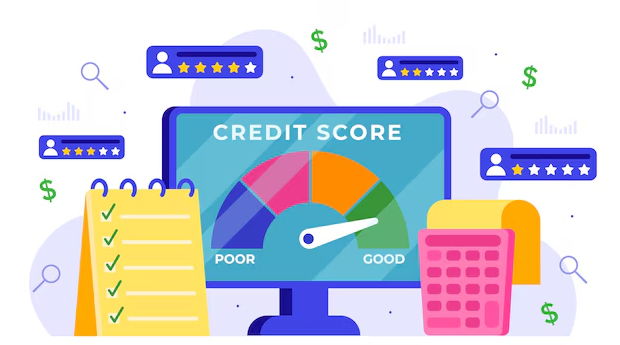
Improving your credit score in the United States is essential for accessing better financial opportunities, from lower interest rates to higher credit limits. Credit cards, when used wisely, are powerful tools that can significantly boost your credit score. Building a strong credit score is about creating a solid financial foundation that can impact various aspects of your life.
By understanding how credit cards influence your score and applying strategic practices, you can take control of your financial future and open doors to opportunities that might otherwise be out of reach. This guide will explore how you can leverage credit cards to improve your credit score effectively.
Understanding the basics of credit scores
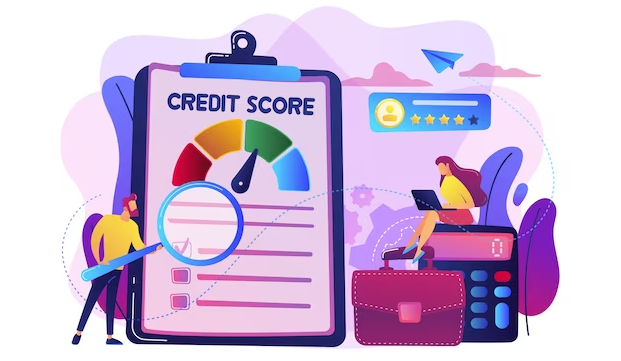
What is a credit score?
A credit score is a numerical representation of your creditworthiness, typically ranging from 300 to 850 in the U.S. Lenders use this score to assess the risk of lending you money. The higher your score, the better your chances of being approved for credit and securing favorable terms.
Credit scores are calculated based on various factors, including your payment history, credit utilization, length of credit history, types of credit in use, and recent credit inquiries.
How do credit cards impact your credit score?
Credit cards play a crucial role in determining your credit score. Responsible credit card usage can positively influence several factors that contribute to your score. For instance, consistently making on-time payments demonstrates reliability, while keeping your credit utilization low shows that you’re not overly reliant on credit.
Additionally, having a longer credit history and a mix of credit accounts can further enhance your score. However, misuse of credit cards, such as missing payments or maxing out your credit limits, can have the opposite effect, leading to a lower score.
Why is it important to understand your credit score?
Understanding your credit score is the first step in improving it. Knowing how different actions affect your score allows you to make informed decisions about your credit card usage. For example, regularly checking your credit report for errors can help you spot issues that might be dragging down your score.
Moreover, understanding the impact of credit card activities, such as applying for new cards or closing old accounts, enables you to strategically manage your credit profile. By grasping these basics, you can lay the groundwork for a healthier credit score.
Effective credit card strategies for score improvement
The importance of on-time payments
Making on-time payments is one of the most impactful actions you can take to improve your credit score. Payment history is the most significant factor in credit scoring models, accounting for about 35% of your total score. Each time you pay your credit card bill on or before the due date, it reflects positively on your credit report, signaling to lenders that you are a reliable borrower.
Setting up automatic payments
One effective strategy to ensure on-time payments is setting up automatic payments from your bank account. This way, you won’t have to worry about missing a due date, as your payment will be processed automatically each month.
If automatic payments aren’t feasible, setting up reminders or alerts can help keep you on track. It’s also essential to pay at least the minimum amount due, although paying the full balance each month is ideal to avoid interest charges and maintain a low credit utilization ratio.
Handling missed payments
If you do miss a payment, it’s crucial to act quickly. Contact your credit card issuer as soon as possible to make the payment and inquire about any late fees or penalties. Some issuers may offer a grace period or waive the late fee if it’s your first missed payment.
Managing credit utilization wisely
Understanding credit utilization
Credit utilization refers to the amount of credit you’re using compared to your total credit limit. It’s a critical factor in your credit score, contributing about 30% to your overall score. Keeping your credit utilization low—ideally below 30%—indicates that you’re managing your credit responsibly and aren’t overly reliant on borrowed money.
Strategies to lower credit utilization
One way to maintain a low credit utilization ratio is by paying off your credit card balances in full each month. If that’s not possible, aim to keep your balance as low as possible. Another strategy is to request a credit limit increase from your issuer, which can lower your utilization ratio if your spending remains the same.
Using multiple cards strategically
If you have multiple credit cards, consider spreading your expenses across them rather than maxing out a single card. This approach can help keep your utilization ratio low across all your accounts. However, be mindful of the potential pitfalls, such as forgetting due dates or overspending.