
In the global economic landscape, the impact of exchange rate fluctuations is a critical factor for international investments in the United States. These currency shifts can significantly affect investment returns, influencing investors’ decisions and portfolio strategies.
Understanding these impacts is essential for investors seeking to maximize returns while minimizing risks. This blog post will explore how currency changes affect foreign investments in the US, offering insights into the causes and implications of these economic movements.
Understanding exchange rate volatility
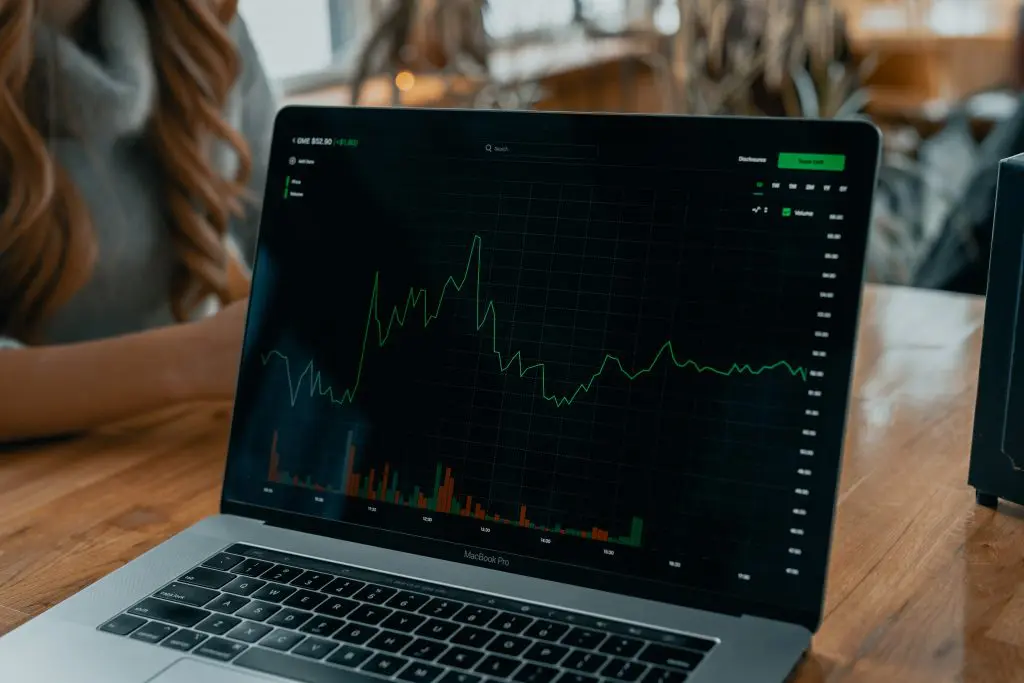
The influence of exchange rate variations on international investments is profound, as even minor shifts can lead to significant changes in investment values. These fluctuations commonly arise from differences in interest rates, inflation, and political stability between countries. For investors targeting the US market, understanding the mechanics behind these shifts is crucial.
Exchange rates are highly sensitive to changes in national interest rates. When a country’s interest rate is high, foreign capital flows increase due to the attractive returns on investments denominated in that currency. Conversely, lower interest rates may lead to depreciation, making foreign investments in that currency less valuable.
Political events also play a significant role in exchange rate movements. Elections, policy changes, and geopolitical tensions can cause significant disruptions in currency markets. Investors must stay informed about political developments, as these can directly impact their portfolios by altering exchange rates and, consequently, the value of their investments in international markets.
Impact on foreign direct investment (FDI)
Exchange rate changes have a notable impact on foreign direct investment. When the US dollar strengthens, it can make investing in the US more expensive for foreign investors, as they get fewer dollars for their own currency. This can lead to a decrease in FDI as investors may seek more cost-effective opportunities elsewhere.
On the other hand, a weaker dollar can attract more FDI, as foreign companies can purchase US assets at a relatively lower cost. This can stimulate economic growth by increasing capital inflow and creating jobs. However, the benefits of a weaker dollar must be balanced against the potential downsides, such as increased inflation and higher import costs.
For companies already operating in the US, currency volatility can affect profitability. Businesses that import goods may face higher costs when the dollar weakens, impacting their bottom line. Therefore, managing exchange rate risks through hedging strategies or local sourcing can be crucial for maintaining competitiveness in fluctuating conditions.
Influence on portfolio investment
Portfolio investments are particularly sensitive to exchange rate movements, as they often involve significant capital flows in and out of foreign markets. When US-based assets appear profitable, investors from around the globe flock to them, driving up their value.
Currency fluctuations also affect the yield on securities like bonds. If a foreign investor holds US bonds, a stronger dollar may decrease the returns when repatriating interest payments. Thus, investors need to pay careful attention to currency forecasts when assessing the profitability of bond investments.
Strategies to manage exchange risk
Managing the impact of currency volatility is essential to safeguarding international investments. Developing effective strategies can help mitigate the risks associated with fluctuating exchange rates, allowing investors to maximize their returns. Understanding these strategies is crucial for investors looking to navigate the US market successfully.
One common approach is the use of hedging instruments, such as futures contracts, options, and currency swaps. These tools allow investors to lock in exchange rates, providing greater certainty over future cash flows and reducing exposure to adverse currency movements. However, hedging can also limit potential gains if the exchange rate moves favorably.
Adopting a proactive approach
Proactive management of currency risks involves regularly monitoring economic indicators, political developments, and market trends that could lead to exchange rate changes. Staying informed allows investors to adjust their portfolio strategies accordingly, taking advantage of favorable conditions or mitigating potential losses.
Collaborative approaches with financial analysts or currency specialists can provide valuable insights and forecasts, helping investors make informed decisions. By understanding and anticipating market shifts, investors can be better prepared to handle exchange rate volatility and its impact on international investments.
Utilizing technology and analytics
Leveraging technology and data analytics can enhance investors’ ability to manage exchange rate risks. Advanced tools can provide real-time insights into currency markets, enabling more responsive and informed decision-making. Investors equipped with sophisticated software can quickly adjust their strategies in response to fluctuating conditions.
Moreover, algorithmic trading and automated hedging strategies can offer continuous monitoring and adjustment of investment positions. By employing these technologies, investors can efficiently execute trades and hedge against adverse currency movements with reduced human error and increased precision.