

When exploring the banking options available in the US, understanding the distinctions between current accounts and savings accounts is essential. Both types of accounts play important roles in personal finance management, but they cater to different needs and financial goals. Here’s an in-depth look at the key differences between them, and how each can serve you best.
Current accounts: your daily financial hub
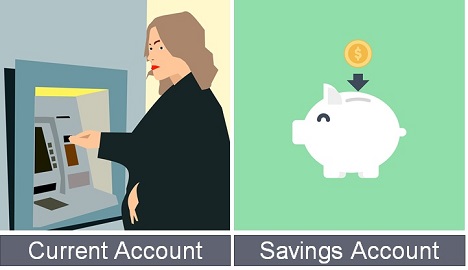
Current accounts, commonly known as checking accounts, are designed for everyday transactions and financial management. Here’s what makes them a go-to choice for many:
- Unlimited Transactions: One of the biggest advantages of a current account is the freedom it offers. You can make unlimited deposits and withdrawals, which is perfect for handling your daily expenses, paying bills, and managing your finances with ease.
- Convenient Access: Current accounts provide multiple ways to access your funds. Whether it’s through checks, debit cards, or online banking, you have the flexibility to make purchases, transfer money, and pay for services quickly and efficiently.
- Low or No Interest Rates: Typically, current accounts offer little to no interest on the balance. The focus is on accessibility rather than earning money on your deposits. While this might seem like a downside, the convenience and features often outweigh the interest benefits.
- Monthly Fees: Some current accounts come with monthly maintenance fees. However, many banks offer fee-free options if you meet certain requirements, such as maintaining a minimum balance or setting up direct deposits.
- Overdraft Protection: Many current accounts offer overdraft protection, which can prevent declined transactions if you spend more than your account balance. This service can be useful, but be aware of any associated fees or terms.
Savings accounts: growing your wealth
Savings accounts are tailored for those looking to build their financial future by earning interest on their deposits. Here’s what sets them apart:
- Interest Earnings: One of the main attractions of a savings account is the interest it provides. While rates can vary, they are generally higher than those offered by current accounts. This means your money can grow over time, helping you build a financial cushion.
- Transaction Limits: Savings accounts often come with federal regulations that limit the number of withdrawals or transfers you can make each month. Typically, this limit is six transactions per month. These restrictions encourage you to keep your funds in the account longer, supporting your savings goals.
- Security: Savings accounts offer a secure place for your money, often insured by the Federal Deposit Insurance Corporation (FDIC) up to $250,000 per depositor, per bank. This insurance ensures that your savings are protected even in the event of a bank failure.
- Lower Fees: Fees associated with savings accounts are generally lower than those of current accounts. Many banks also offer fee-free savings accounts if you maintain a minimum balance, making them a cost-effective option for saving money.
- Ideal for Emergency Funds: Savings accounts are often used to build an emergency fund or save for specific goals, such as a down payment on a house or a vacation. The interest earned, coupled with the security of the account, makes it a good choice for these purposes.
Key differences in detail
- Purpose and Use: Current accounts are designed for daily transactions, providing the flexibility needed for regular financial activities. Savings accounts, on the other hand, are focused on accumulating interest and saving money over time.
- Access and Flexibility: Current accounts offer easy and unrestricted access to your money, ideal for managing day-to-day expenses. Savings accounts have more restrictions on withdrawals, encouraging you to leave your money untouched to grow over time.
- Interest Rates and Growth: The primary benefit of a savings account is the interest it provides, allowing your money to increase while it stays in the account. Current accounts typically offer no interest, prioritizing convenience and liquidity.
- Fees and Costs: Both account types may have associated fees, but savings accounts usually have lower costs. It’s important to compare options and look for accounts with minimal fees to maximize your savings.
Making the right choice for you
Deciding between a current account and a savings account depends on your financial needs and goals. If you need a flexible account for everyday transactions, a current account is likely the best fit. If you’re focused on saving money and earning interest, a savings account can help you achieve your financial objectives.
Many individuals find that having both types of accounts is beneficial. You can use a current account for daily transactions and a savings account to grow your money over time. This approach allows you to manage your finances efficiently while also working towards long-term savings goals.
By understanding the differences between current and savings accounts, you can make informed decisions that align with your financial strategy. Each type of account offers unique advantages, and choosing the right one can help you manage your money more effectively.
