

Credit cards can be powerful tools when it comes to building and boosting your FICO score. A strong credit rating can open doors to lower interest rates, better loan terms, and a greater array of financial options. But, how exactly can you use your plastic friends to enhance your financial reputation?
Let’s delve into the world of credit card management and uncover the secrets to leveraging them for boosting your creditworthiness. From understanding credit utilization to maintaining consistent payment practices, we’ll guide you through the key elements that can make a difference in your score.
Understanding credit utilization and its impact
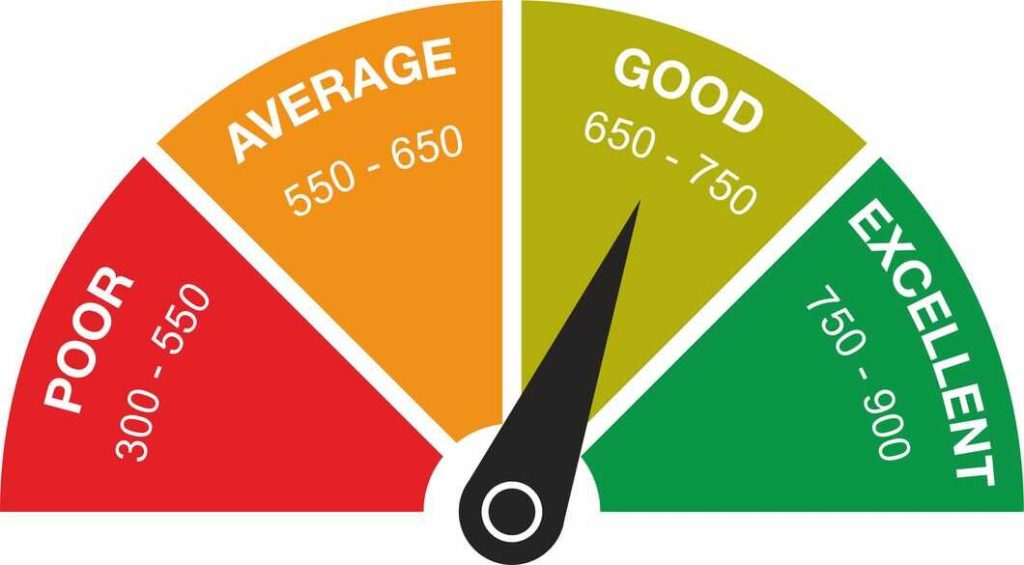
One of the critical aspects of utilizing credit cards to enhance your FICO score is understanding credit utilization. The term refers to the percentage of your total credit limit that you are currently using. Ideally, you should aim to keep your usage below 30%. A low utilization rate suggests to lenders that you are managing your credit responsibly and are not overly reliant on borrowed funds.
Keeping your utilization in check can positively influence your credit score as it accounts for a significant portion of the FICO formula. Consider spreading your purchases across multiple cards if you have them or paying down your balances more frequently to keep this ratio low.
Prioritize timely payments
The fundamental rule for responsibly managing credit cards is ensuring that all payments are made on time. Payment history is the most significant component of your FICO score, accounting for 35%. Therefore, consistently paying at least the minimum amount by the due date is crucial, as missed or late payments can seriously damage your score.
Setting up automated payments can help ensure that you never miss a due date. You might also find it beneficial to receive alerts from your bank when a payment is due. For those who prefer manual control, having a scheduled date to review and pay off your balances each month can foster discipline.
Mix your credit types
Having a diverse range of credit accounts can reflect positively on your FICO score. Besides credit cards, these can include installment accounts like car loans or mortgages. While you shouldn’t take on unnecessary debt, a varied credit mix can demonstrate your ability to manage different types of credit responsibly.
However, it’s essential to approach this strategy with caution. Only acquire new credit if you need it, and ensure you can handle additional payments comfortably. Applying for new accounts will result in hard inquiries, which might temporarily affect your score.
The strategic use of credit cards
Leveraging existing credit card benefits to support your financial health is a smart strategy. Many cards offer rewards, cash back, or points that can be redeemed to your advantage—without affecting your credit score negatively if managed well.
To make the most of your credit card use, align the card perks with your spending habits. For instance, if certain cards offer higher rewards for groceries or travel, use them intentionally for those purchases. These benefits can help you save money or offer financial flexibility when needed.
Avoid unnecessary fees
An often overlooked aspect of using credit cards to your advantage is vigilance against accruing unnecessary fees. These include annual fees, late payment penalties, and interest charges. Being mindful of these charges can help prevent your credit card costs from overriding the benefits they offer.
Start by reviewing your card agreements to understand any obligations. If an annual fee exists, make sure the benefits outweigh the expense. Similarly, maintaining a habit of paying your balances in full each month can help you avoid costly interest charges.
In cases where downgrading to a card without an annual fee makes more financial sense, don’t hesitate to contact your issuer. Understanding and managing these costs can significantly enhance the financial advantage offered by credit cards.
Regularly monitor your credit report
Keeping tabs on your credit report is essential in the journey of credit card management. Regular review helps you detect inaccuracies that could negatively impact your FICO score. Mistakes happen more frequently than you might think, and being proactive means you can address discrepancies swiftly.
It is advisable to review your full credit report annually, which you can do for free through specific platforms or services. Each major credit bureau can offer valuable insights, and checking your report periodically does not affect your score.
Should you find any incorrect information, initiate a dispute promptly with the reporting bureau. Staying on top of your credit report not only prevents potential issues but equips you with information to make informed financial decisions, strengthening your overall credit strategy.
