


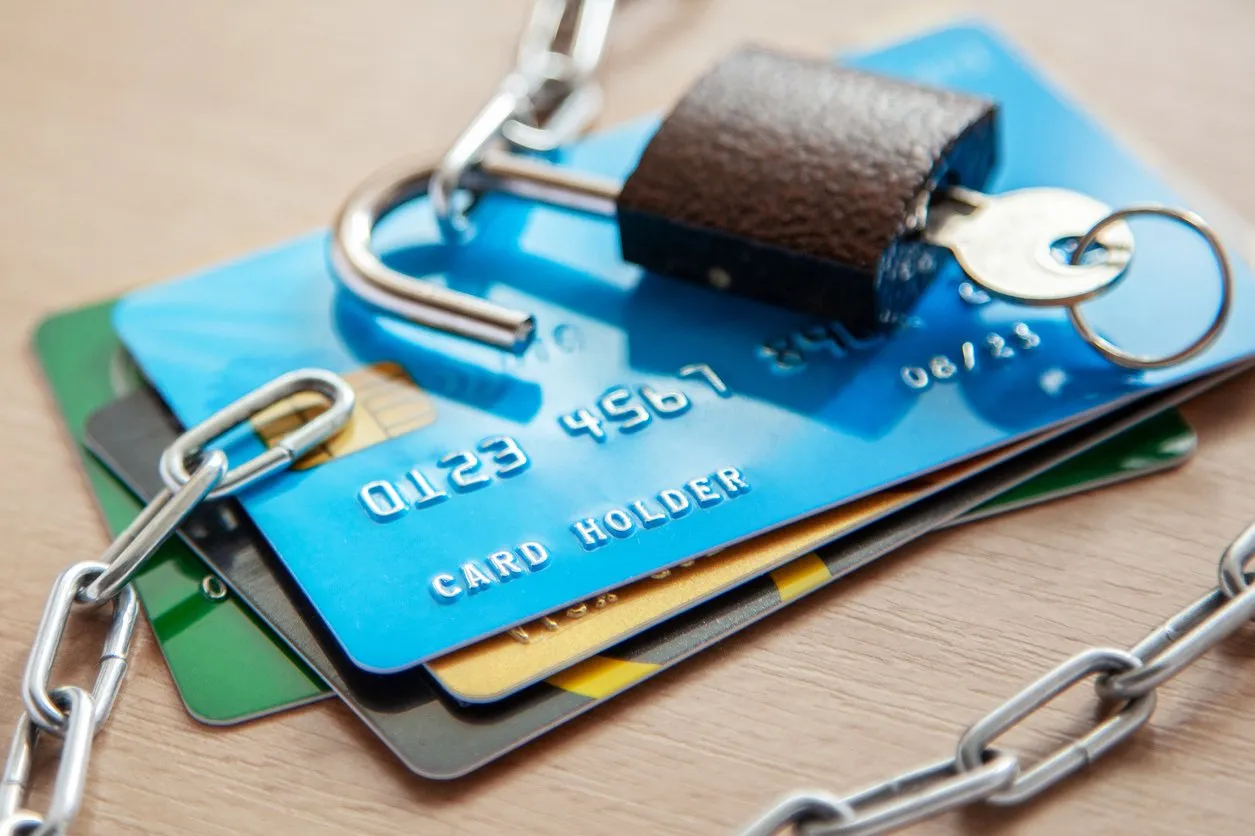
Secured credit cards are a financial tool designed to help individuals build or rebuild their credit. Unlike traditional credit cards, which offer a line of credit based on the applicant’s creditworthiness, secured credit cards require a cash deposit as collateral.
This deposit acts as a safety net for the issuer, mitigating the risk associated with lending to individuals with little or no credit history. In the U.S., secured credit cards have become an increasingly popular option for those looking to establish or improve their credit score. Understanding how these cards work can be crucial for making informed financial decisions.
The basics of secured credit cards

Secured credit cards function similarly to traditional credit cards in many ways, but with some key differences. The primary distinction is that a secured credit card requires a cash deposit, typically ranging from $200 to $2,500, which serves as collateral.
This deposit usually matches the card’s credit limit, meaning if you deposit $500, your credit limit will be $500. This security deposit reduces the lender’s risk, making it easier for individuals with poor or no credit history to qualify.
Once you have a secured credit card, you can use it to make purchases just like a regular credit card. Each month, you are required to make at least the minimum payment on your balance, and interest is charged on any unpaid amounts.
If you fail to make payments, the issuer can use your deposit to cover the outstanding balance. However, responsible use of the card—such as making on-time payments and keeping your balance low—can help you build a positive credit history, which is reported to the credit bureaus.
Benefits of using a secured credit card
Secured credit cards offer several benefits, particularly for individuals with a limited or damaged credit history. One of the most significant advantages is the opportunity to build or rebuild credit.
Since secured credit card activity is reported to the major credit bureaus—Experian, Equifax, and TransUnion—responsible use can positively impact your credit score. This can be particularly beneficial for young adults, immigrants, or individuals recovering from financial setbacks who need to establish or repair their credit.
Another benefit of secured credit cards is that they often come with fewer qualification requirements than unsecured cards. Because the deposit reduces the issuer’s risk, applicants with lower credit scores or no credit history at all have a better chance of approval.
Drawbacks to consider
While secured credit cards have numerous benefits, there are also some drawbacks to consider. One of the main disadvantages is the initial deposit requirement. For individuals with limited financial resources, coming up with the deposit can be challenging. Additionally, this deposit is tied up for as long as the account is open, meaning those funds are not available for other uses.
Another drawback is that secured credit cards often come with higher interest rates and fees compared to unsecured cards. While the goal is to pay off the balance in full each month to avoid interest charges, the reality is that many cardholders may carry a balance, leading to higher costs over time.
Additionally, some secured cards may charge annual fees, maintenance fees, or other hidden costs, making it essential to read the fine print before applying. Lastly, not all secured credit cards are created equal. Some issuers may not report to all three major credit bureaus, which can limit the effectiveness of the card in building credit.
Transitioning to an unsecured credit card
One of the primary goals of using a secured credit card is to eventually qualify for an unsecured card. With consistent, responsible use, many cardholders find that their credit score improves enough to make this transition.
Most secured card issuers review accounts regularly and may offer to upgrade you to an unsecured card after six months to a year of good behavior. When this happens, your deposit is refunded, and you can continue to use the card as you would any other unsecured credit card.
However, not all issuers offer this upgrade option, so it’s essential to understand the terms and conditions before applying. If your issuer does not provide an upgrade path, you may need to apply for a new unsecured card from a different issuer once your credit has improved.
When transitioning to an unsecured card, it’s crucial to maintain the same responsible credit habits, such as paying your bill on time and keeping your balance low, to continue building a positive credit history.