

When it comes to managing finances in the United States, understanding the differences between credit and debit cards is crucial. Both types of cards are commonly used for transactions, but they operate in distinct ways. This guide explores the nuances of these financial tools, helping you make informed decisions about their use.
By exploring their functionalities, pros, and cons, you’ll better understand which card suits your financial needs. Whether you’re new to personal finance or a seasoned money manager, grasping these differences can lead to smarter spending habits and financial well-being.
Definitions of credit and debit cards
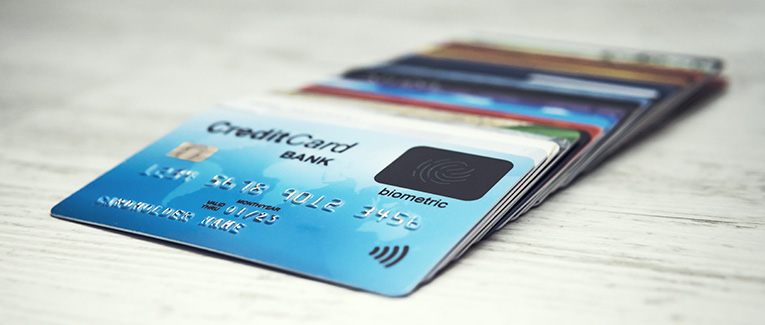
At their core, credit and debit cards serve as tools for making purchases, but they differ fundamentally in terms of how funds are accessed. A credit card allows users to borrow money up to a certain limit, which they must repay, potentially with interest if the balance is not paid in full each month. This borrowing feature makes credit cards an essential financial tool, particularly for those looking to build credit history.
Conversely, a debit card is directly linked to the user’s bank account. Instead of borrowing funds, transactions made with a debit card are immediately deducted from the available balance. This makes debit cards ideal for those who prefer to spend only what they already have and avoid debt accumulation.
Concept of borrowing
Credit cards operate on the principle of borrowing. When you use this card, you’re essentially taking a short-term loan from the card issuer. Each card comes with a credit limit set by the issuer, determining the maximum amount available for borrowing at any given time.
Balances that aren’t paid off before the billing cycle ends can incur interest, leading to additional costs for the user. The interest rate, known as the APR (Annual Percentage Rate), varies between cards and individual financial situations. A significant advantage of credit cards is the opportunity to build a solid credit score, which can aid in obtaining loans or mortgages under favorable terms in the future.
Immediate fund deduction
In contrast, debit cards facilitate transactions by directly deducting the amount spent from your linked bank account. This immediate deduction ensures you only spend what you have, eliminating the risk of accumulating debt and interest. Debit cards offer a straightforward approach to budgeting since you can only use the funds available in your account.
Additionally, many people find the spending limit imposed by debit cards to be a helpful tool in avoiding impulsive purchases, making them a popular choice for everyday expenses. However, while using a debit card doesn’t affect your credit score, it also doesn’t provide the opportunity to build credit history.
Advantages and disadvantages
Both credit and debit cards have their own sets of benefits and drawbacks, making them suitable for different financial strategies and spending habits. Understanding these can help you choose which card type aligns best with your financial goals.
Typically, credit cards are favored for their flexibility and ability to help manage large purchases over time, while debit cards are preferred for their simplicity and straightforward approach to money management. Knowing when and how to use each type of card can enhance your overall financial planning and avoid potential pitfalls associated with each.
Benefits of credit cards
One of the primary advantages of credit cards is their ability to help users build and enhance their credit scores. Regular, responsible use of credit can demonstrate to lenders that the cardholder is creditworthy, an important consideration when applying for loans or mortgages.
urthermore, credit cards offer rewards programs, providing cashback, travel points, or discounts on certain purchases—benefits not typically available with debit cards. Credit cards also offer greater protection against fraud, as cardholders can dispute unauthorized charges more readily.
Downsides of debit cards
While debit cards offer straightforward financial management, they come with their downsides. The most significant is their lack of impact on credit scores, failing to offer the opportunity to build credit. Additionally, while debit cards have some fraud protection, they often offer fewer protections compared to credit cards, and recovering funds from unauthorized transactions can be a slower process.
Moreover, overdraft fees can be a concern if a transaction exceeds the available account balance, leading to unexpected penalties. Lastly, debit cards generally do not offer the rewards or benefits common with credit cards, such as travel points or cashback options, which can be a missed opportunity for users seeking additional value from their spending.
