

Credit cards with flexible rewards programs are increasingly popular in the US. These financial products, through their adaptable points systems, cashbacks, and exclusive benefits, offer a range of incentives to consumers looking to maximize their spending power.
But with so many options available, are they truly worth it? In this article, we’ll dive into the world of flexible rewards, examining the benefits and potential drawbacks to help you make an informed decision.
Understanding flexible rewards programs
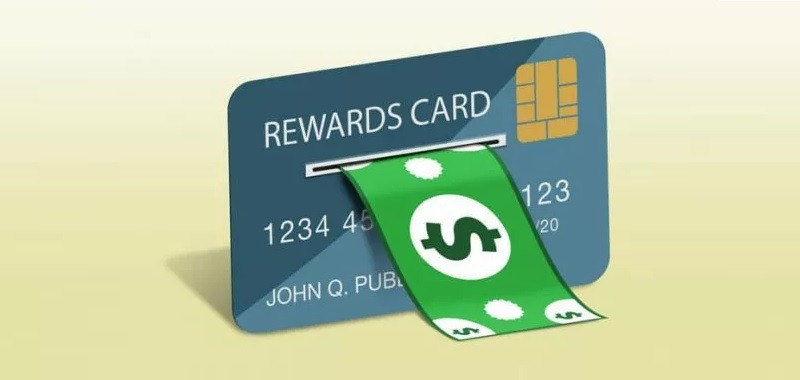
Before deciding on a flexible rewards credit card, it’s crucial to understand how these incentives work. At their core, these programs allow cardholders to earn points or cash back on certain types of purchases, which can be redeemed for travel, merchandise, gift cards, or statement credits.
Unlike traditional rewards systems that tie points to specific brands or products, flexible rewards give users the power to choose how they wish to redeem their benefits. This adaptability makes these cards particularly appealing to those who value versatility and customization in their financial tools.
However, not all flexibility is created equal. Different cards have various earning rates, categories, and restrictions. For instance, some might offer extra points for dining or travel purchases, while others might provide higher cash back percentages for grocery shopping or gas. It’s essential to align the card’s reward structure with your spending habits to truly reap the benefits.
Advantages of flexible reward schemes
One of the primary advantages of flexible reward programs is their adaptability. Cardholders are not restricted to specific brands or redemption options, allowing them to tailor their benefits to fit their unique lifestyles and preferences.
This flexibility is especially beneficial for those who travel frequently or have varied spending habits throughout the year. Another significant benefit lies in the potential for maximizing rewards. By choosing a card that aligns closely with your spending patterns, you can earn points or cash back at an accelerated rate.
Many cards offer multipliers (e.g., double or triple points) on purchases in specific categories such as dining, travel, or groceries. If you regularly spend in these areas, these bonuses can significantly boost your accumulated rewards.
Disadvantages and challenges
While the allure of flexible rewards is clear, it’s crucial to be aware of the potential downsides. One of the primary challenges is managing the cost associated with these cards. Many of them come with annual fees that can range from modest to quite substantial. If you don’t take full advantage of the rewards and benefits offered, these fees can quickly negate any earned value, making the card less favorable.
Another issue is the potential complication of tracking and redeeming points. Some users might find it laborious to keep track of various categories and bonuses, especially if they change quarterly. This complexity can deter cardholders from fully utilizing the rewards, reducing the overall value of the program.
Are flexible rewards cards worth it for you?
Determining whether a flexible rewards card is right for you largely depends on your financial habits and lifestyle goals. These cards can be highly beneficial for disciplined spenders who can pay their balance in full each month and who frequently spend in categories that offer bonus rewards.
For these individuals, the value gained can substantially outweigh any fees incurred, making the card a worthwhile investment. Conversely, if you tend to carry a balance, the high-interest rates common to rewards credit cards could set you back financially.
In such cases, a card with lower interest rates and fewer additional charges might be a better fit. Moreover, if you find the complexity of managing rewards systems overwhelming, the simplicity of a non-rewards card might offer greater peace of mind.
Conclusion: making the decision
In conclusion, credit cards with flexible rewards programs can be a fantastic tool for financially savvy consumers who know how to leverage the benefits effectively. By carefully selecting a card that matches your spending habits and paying off balances promptly, you can enjoy the numerous perks and rewards they offer.
These flexible systems cater to those who appreciate customizable benefits and the freedom to use rewards in various ways. However, they aren’t a one-size-fits-all solution. Assess your spending patterns, willingness to manage card complexities, and capability to handle fees and interest rates.
This self-awareness will ensure that you make the right decision for your financial health. Browsing reviews and comparing options are also viable steps in the selection process, helping to narrow down the cards that best fit your needs.
