

Investing in commodities has been a lucrative endeavor for many, offering a diverse range of opportunities and a hedge against market volatility. As the global economy continues to shift, commodities such as oil, wheat, and coffee remain attractive for investors seeking to diversify their portfolios.
As the world relies heavily on these resources, they present both challenges and opportunities for those willing to navigate the complexities of global trade. Commodities offer a unique blend of tangible investment paired with potential long-term growth.
The allure of commodity investing
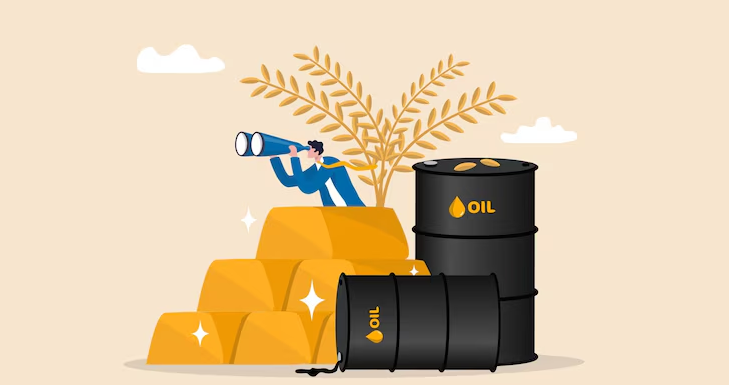
Commodities, such as oil, wheat, and coffee, represent essential goods and services integral to everyday life and global trade. Investing in these tangible assets can offer stability and protection against inflation, making them appealing choices for those looking to shelter their wealth.
Moreover, commodities often react differently from equities and bonds, providing valuable diversification benefits to a portfolio. As markets fluctuate, maintaining a portion of investments in commodities can hedge against adverse conditions in traditional asset classes.
Nevertheless, investing in these resources requires in-depth knowledge of the market, including understanding historical trends and current events that could influence prices. For prospective investors, it’s crucial to grasp the underlying factors that drive commodity prices.
Key benefits of investing in commodities
Investing in commodities provides several strategic benefits that attract various investors. Firstly, they serve as a hedge against inflation. As prices for goods and services rise, so do the value of commodities.
This inflationary hedge is especially evident in energy sectors, where oil prices correlate with transportation and production costs. Secondly, commodities often perform inversely to other asset classes during market downturns, which adds a layer of protection to one’s investment portfolio.
Thirdly, the global demand for raw materials makes commodities some of the most liquid investments available. With global markets interconnected, trading commodities remains a viable option for quick exchanges, accommodating the need for liquidity in a diversified portfolio.
Furthermore, commodities offer opportunities for both short-term gains and long-term strategic positioning. Investors can engage in futures contracts, allowing them to speculate on price movements and secure profits based on bet outcomes.
These contracts introduce flexibility, as investors can either take physical delivery of the commodity or merely settle the contract in cash, providing avenues for different investment strategies. Additionally, inflation-linked currencies and globalization of trade enhance the prospect of sustaining returns, irrespective of isolated economic performance.
Understanding market dynamics
Successful commodity investing demands a strong grasp of market dynamics, including detailed comprehension of supply chains and international relations. For instance, shifts in government policies or trade agreements can redefine supply margins, thereby influencing prices.
Examining these elements requires investors to scrutinize economic indicators and news events. An example is the growing focus on renewable energy sectors. As societies pivot towards sustainable resources, oil demand may adjust, impacting traditional oil markets.
This understanding is not solely limited to energy commodities; agricultural markets are similarly influenced by geopolitical factors, such as trade embargoes or export quotas, that affect wheat and coffee supply lines of production.
Additionally, seasonal trends significantly influence commodity prices. Certain commodities, like wheat or coffee, are heavily impacted by seasonal cycles, with harvest seasons affecting availability and pricing. Investors must familiarize themselves with these cycles and their implications.
The interplay of independent market forces emphasizes the need for extensive research and technological adeptness. Leveraging advanced analytics and market insights can greatly enhance investment decisions.
Furthermore, technological integration, such as advancements in agricultural techniques or resource extraction, can alter production capabilities and lead to price fluctuations. A meticulous approach to monitoring and analyzing these variables empowers investors to optimally navigate the commodity landscape for informed investing.
Diversifying with oil and agricultural products
Oil remains a fundamental component of the global economy, making it an attractive option for diversification. It acts as a pivotal source of energy for industries and transportation, reflecting its entrenched role in economic development. Investing in oil offers exposure to geopolitical factors, as nations grapple for control over energy resources.
When geopolitical stability is called into question, oil prices often surge, providing opportunities for those who have positioned themselves strategically. Yet, diversification does not rest solely on energy commodities.
Agricultural investments, such as wheat and coffee, present opportunities to capitalize on food supply demands. These staples are indispensable to daily living, fostering sustained investor interest and continual market engagement in diverse global sectors.
Wheat and coffee, representing the agricultural sector, have distinct market behaviors influenced by climate conditions, technological advancements, and diet trends. As a result, these commodities offer protection against specific economic uncertainties.
Because these markets rarely move in tandem with more traditional financial instruments like stocks or bonds, they can provide an effective buffer against financial downturns. By incorporating such commodities into investment strategies, investors can broaden their horizons, mitigate risk, and align their portfolios with varying market conditions.
