



Credit card fraud is a significant concern for many American consumers, but there are proactive steps you can take to shield your finances from unauthorized transactions. In today’s digital age, where online shopping and digital payments have become the norm, safeguarding your credit card information has never been more critical.
This article serves as a practical guide to protect your credit card from fraud, ensuring that your financial data remains secure amidst the ever-evolving tactics of fraudsters. By implementing simple yet effective strategies, you can significantly reduce the risk of becoming a victim of fraud. Join us as we explore the steps individuals can take to keep their card details safe in the US.
Understanding the landscape of credit card fraud
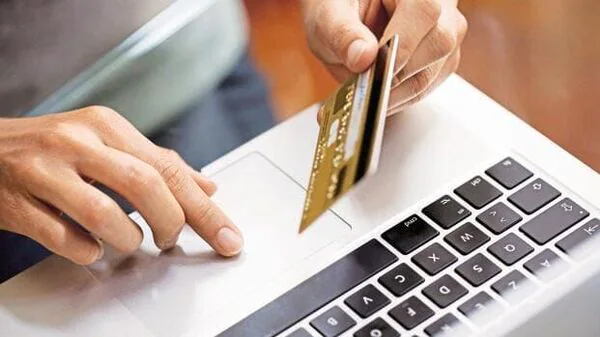
In order to protect yourself effectively, it’s crucial to first understand the different forms credit card deception can take. Fraudsters may employ various approaches, ranging from high-tech hacking techniques to simple scams aimed at obtaining your card information.
Skimming devices, online phishing attempts, and data breaches are among the most common methods employed by criminals. Each of these techniques has the potential to expose your financial vulnerabilities, making it all the more important to know how to spot and avoid them.
Recognizing skimming and phishing
Skimming devices are often discreetly attached to card readers at ATMs or gas pumps, capturing data as unsuspecting customers swipe their cards. To avoid falling victim to skimming, inspect card slots for signs of tampering and use ATMs located in well-lit, secure locations.
On the other hand, phishing schemes typically involve fraudulent emails or websites that impersonate legitimate institutions, tricking individuals into divulging sensitive information. Be cautious of unsolicited emails requesting personal details and always verify the authenticity of web pages by checking the URL for HTTPS encryption. By staying alert and cautious, you can effectively guard against these types of scams.
Impact of data breaches
Data breaches pose a serious threat to the security of your credit card information, often occurring when cybercriminals infiltrate databases to access large volumes of personal data. These breaches can lead to the unauthorized use of your card details, resulting in hefty financial losses.
To mitigate this risk, consider monitoring news alerts regarding breaches and staying informed about which companies have been affected. If you suspect your data might have been compromised, promptly contact your card issuer to report the incident and seek advice on the best course of action.
Best practices for safeguarding your card information
With a clear understanding of how fraudsters operate, it’s time to explore practical measures to protect your card details. Adopting best practices is essential in minimizing the risk of fraudulent activity on your credit card.
These practices aren’t just about preventing unauthorized access, but also about ensuring that any suspicious activity is detected and addressed quickly. By implementing these strategies, you create a formidable defense against potential threats, giving you peace of mind when making transactions, both online and offline.
Implement security measures
One of the most effective ways to protect your card from fraud is by implementing robust security measures. Consider using a credit card with enhanced security features such as EMV chip technology, which adds an additional layer of protection during transactions.
Furthermore, enable notifications and alerts from your card issuer to instantly be informed of any suspicious activity. Many banks also offer virtual card numbers for online shopping, providing an added buffer between merchants and your actual credit account. By utilizing these security features, you can significantly enhance the safety of your credit card.
Monitoring and managing your accounts
Regularly monitoring your financial accounts is a vital step in preventing and identifying fraudulent activity. Routinely check your credit card statements to ensure all charges are legitimate, and any discrepancies should be immediately reported to your card provider.
Utilize online banking tools and mobile apps to keep track of your spending in real-time, which allows you to react swiftly in case of unauthorized transactions. Keeping a vigilant eye on your account activity is paramount in safeguarding your financial health and promptly addressing any signs of abuse.
Taking these precautionary steps not only helps prevent fraud but also provides you with the knowledge and resources necessary to act quickly should an incident occur. Being proactive in protecting your credit card from fraud ensures that your financial stability remains intact, empowering you to confidently navigate the digital financial landscape in the US.